Intercultural Dialogue

Intercultural dialogue is a key tool for fostering mutual understanding, building trust, and safeguarding social peace in diverse societies. By encouraging positive interaction between individuals and groups from different cultural backgrounds, dialogue helps counter stereotypes, extremism, and hate speech, and paves the way for more equitable and sustainable participatory solutions.

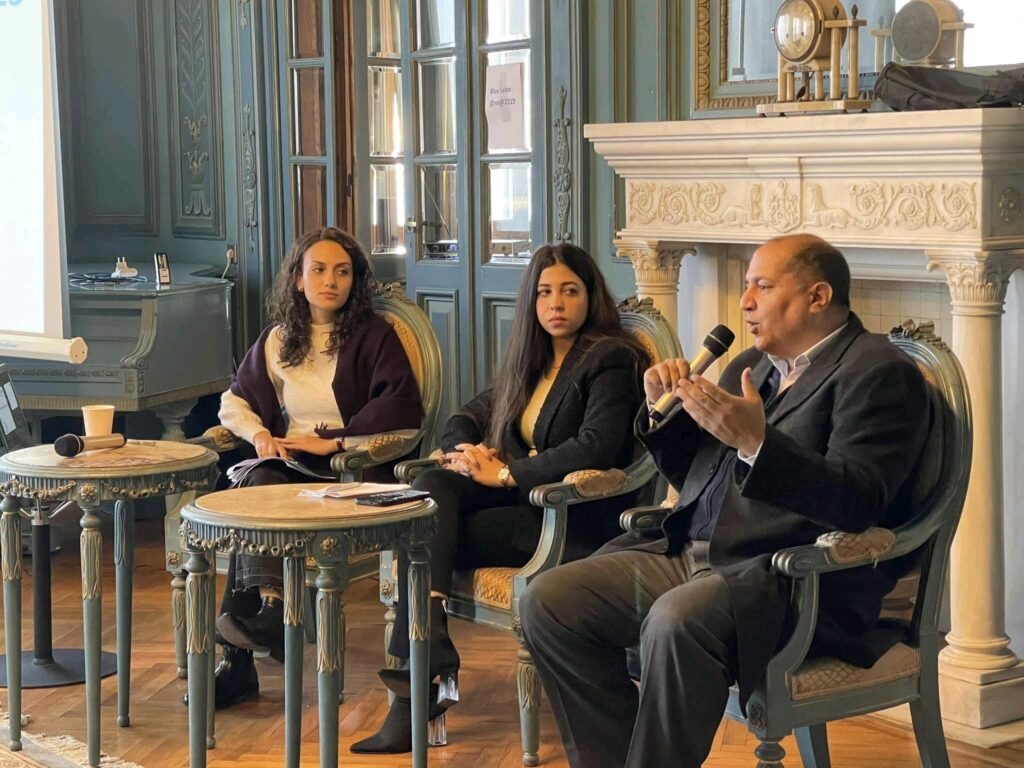
The organization works to promote intercultural dialogue through knowledge and training programs and field initiatives targeting young actors, civil society organizations, educational and media institutions, ensuring that dialogue is used as a tool for positive change and human rights-based public policy-making.

building abilities

Capacity building is a cornerstone for fostering a culture of intercultural dialogue. Societies need qualified personnel with skills in communication, mediation, diversity management, and working in multicultural environments. These skills include contextual analysis, understanding socio-cultural dynamics, and using dialogue tools to prevent conflicts and transform them into opportunities for cooperation.

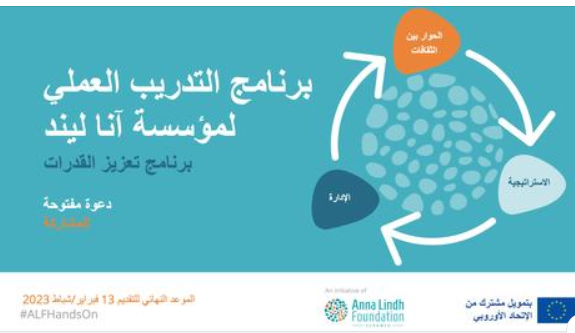
The organization aims to design and implement training programs targeting youth, local stakeholders, and civil society organizations, focusing on topics such as constructive dialogue, peaceful conflict management, cross-cultural collaboration, and building cross-border partnerships. It also develops training materials and practical guides to facilitate the transfer of these skills to local communities and various institutions, thereby enhancing the sustainability of the impact and expanding the circle of beneficiaries.

Capacity-building efforts also include supporting platforms for communication and exchange of experiences between initiatives working in the field of intercultural dialogue at the regional and international level, allowing for the exchange of good practices, learning from experiences, and the development of joint initiatives that address cross-border challenges.

Combating misinformation and falsehoods

Misinformation and disinformation pose a direct challenge to intercultural dialogue, as they fuel stereotypes, promote exclusionary rhetoric, exacerbate conflicts, and increase mistrust between different groups. With the widespread use of digital media, countering misinformation and protecting the integrity of information has become essential for building a public discourse based on facts and respect for diversity.

The organization works to raise awareness of the dangers of fake news and misleading content through awareness programs and training workshops in media and information literacy, fact-checking skills, and the responsible use of digital platforms. It also encourages partnerships with journalists, researchers, and fact-checking initiatives to develop educational content and practical tools that help the public distinguish between credible information and misleading content.

Through this approach, the organization seeks to link combating misinformation with supporting a culture of dialogue and constructive disagreement, by promoting positive alternative narratives and encouraging responsible discourse that respects diversity and combats stigmatization and demonization, thereby enhancing citizens' trust in the public sphere and reducing polarization and hatred.

Peacebuilding and combating hate speech

Intercultural dialogue is closely linked to peacebuilding efforts, as it helps address the root causes of tensions, creates safe spaces for expression and mutual listening, and fosters a sense of belonging among marginalized individuals and communities. It is also an effective tool for conflict prevention and for steering the course of events before crises escalate.

Conversely, hate speech and incitement to violence pose a direct threat to social peace, and experience has shown that such speech can be a precursor to serious human rights violations and grave crimes at the collective level. Therefore, the United Nations and many international organizations have adopted comprehensive strategies and action plans aimed at monitoring such speech, addressing its root causes, and promoting positive alternative discourse based on respect for human rights, equality, and non-discrimination.

Within this framework, the organization works to develop community dialogue initiatives, organize platforms for discussion and communication among diverse groups, and provide training on monitoring and countering hate speech using legal, awareness-raising, and media tools. It also encourages building alliances between civil society organizations, media institutions, and those involved in education and culture, in order to produce counter-narratives to hate speech and to instill the values of mutual respect, justice, and peace in both the real and digital spheres.